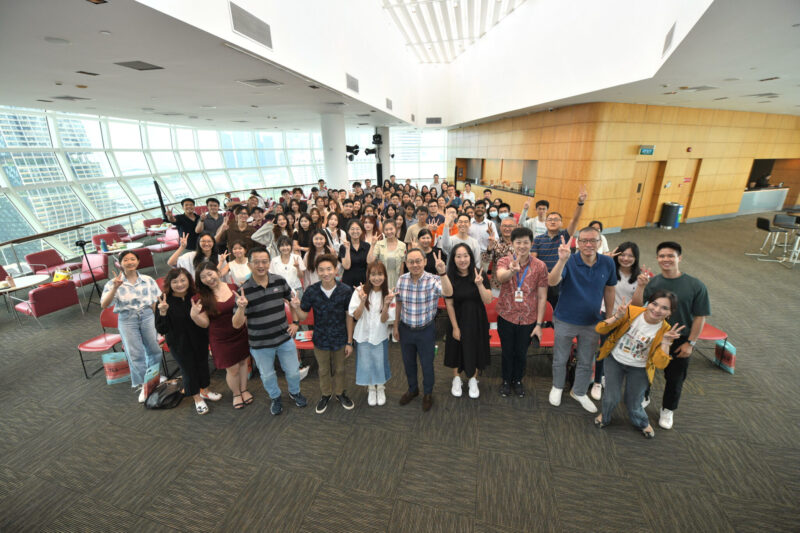
Youth internship exchange Singapore China programmes give young Singaporeans a structured opportunity to work in one of the world’s largest and fastest-moving economies.
These placements go beyond tourism or language study.
They place students inside Chinese companies, government-linked organisations, and start-ups where they face real tasks, real deadlines, and real colleagues.
The result is a deeper understanding of China’s business environment that no lecture or textbook can replicate.
The Strategic Value of Singapore-China Exchange
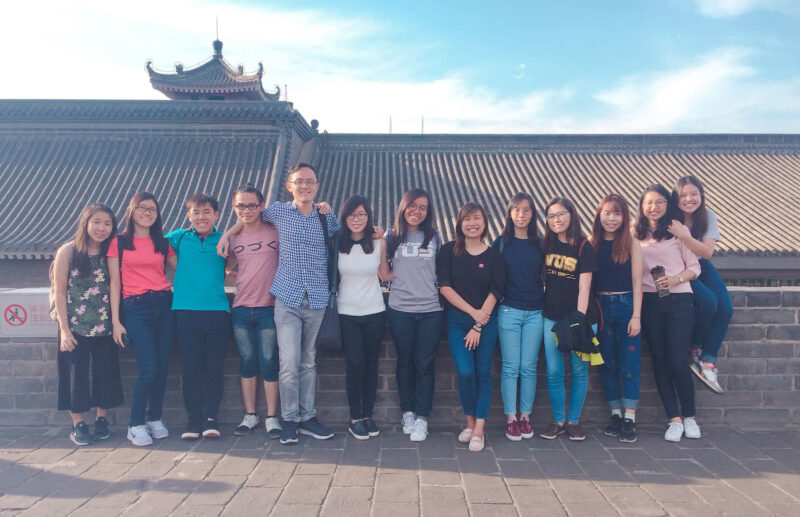
Singapore and China share decades of economic partnership. Bilateral trade exceeds hundreds of billions of dollars annually, and thousands of Singaporean firms operate on the mainland. For young graduates entering this interconnected job market, direct experience in China is a measurable career advantage.
Lee Hsien Loong once noted: “Our young must know China, understand China, and be able to work with China.” That statement captures the reasoning behind exchange internship programmes. Employers in banking, logistics, technology, and consulting actively seek candidates who have spent time in Chinese workplaces.
A youth internship exchange between Singapore and China bridges the gap between academic knowledge of the country and the practical reality of doing business there. Students return with insights that set them apart from peers who have only studied China from a distance.
This advantage becomes especially clear during recruitment rounds, where hiring managers often probe candidates for first-hand observations rather than textbook knowledge.
A student who can describe how a Shenzhen hardware team iterates on a prototype, or how a Shanghai fintech firm handles regulatory reporting, stands out immediately.
These concrete details signal that the applicant has not only visited China but has actually contributed work inside its business ecosystem.
What Students Gain from the Experience
The benefits of a cross-border internship extend well beyond a line on a resume. Participants develop a range of competencies that are difficult to acquire through other means:
- Mandarin proficiency in professional settings – Daily communication with Chinese colleagues sharpens language skills in ways that classrooms cannot.
- Business etiquette awareness – Understanding guanxi, meeting protocols, and communication styles helps students avoid missteps in future dealings.
- Adaptability under pressure – Working in a fast-paced Chinese company, where expectations can shift rapidly, builds mental flexibility.
- Market awareness – Students observe consumer trends, digital payment systems, and supply chains operating at enormous scale.
- Networking across borders – Relationships formed during the placement become long-term professional contacts.
These skills are not abstract. They show up in job interviews, in the ability to manage cross-border projects, and in the confidence to take on assignments that involve Chinese partners or clients.
Many alumni report that the habits formed during their internship, such as reading industry news in Chinese each morning or maintaining regular contact with former colleagues, continue to shape their professional routines years after the placement ends.
How the Programmes Typically Work
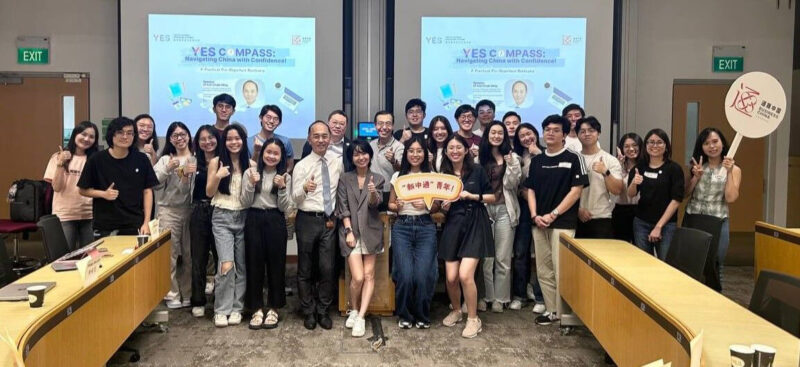
Most Singapore-China student exchange internships run for six to twelve weeks during university vacation periods. Students apply through coordinating bodies such as Business China, which manages the Youth Interns Exchange Scheme.
The process generally follows these steps:
Application and screening based on academic performance, language ability, and motivation.
Matching with a host company in a Chinese city such as Shanghai, Beijing, Shenzhen, or Chengdu.
Pre-departure briefings covering cultural expectations, workplace norms, and practical logistics.
The placement itself, which includes regular check-ins and mentoring.
A post-programme review where students reflect on their learning and share feedback.
Host companies range from multinational corporations to local technology firms, giving participants exposure to different organisational cultures and management approaches.
Some students find themselves working alongside founders in lean start-up teams, while others join structured graduate pipelines at established enterprises.
Both settings offer valuable lessons, though the pace and style of work differ considerably.
Choosing the Right Programme and Location
China is not a single market. Shanghai offers global finance and trade. Shenzhen is the centre of hardware innovation. Beijing provides access to government, media, and education sectors. Chengdu has emerged as a hub for software development and consumer goods.
Students should align their choice of city with their career interests. A finance student may benefit most from a Shanghai placement, while someone studying engineering or product design might prefer Shenzhen.
Programme quality also varies. Students should look for schemes that provide proper mentorship, structured learning objectives, and logistical support, including accommodation and travel arrangements.
Speaking with past participants is one of the most reliable ways to assess a programme’s value.
Overcoming Common Concerns
Some students hesitate to apply because of language anxiety, unfamiliarity with Chinese workplace culture, or worries about living conditions.
These concerns are understandable but manageable.
Most programmes include orientation sessions that address cultural differences and workplace expectations. Many host companies assign a local buddy or mentor to help the intern settle in.
Students who arrive with basic Mandarin skills and an open attitude typically adapt within the first two weeks.
Homesickness and culture shock are normal. Programmes that include group activities and peer support networks help participants work through these challenges without losing momentum.
The Bigger Picture for Singapore

Singapore’s relevance in Asia depends on its people being able to connect, communicate, and collaborate across borders.
Programmes that send students into Chinese workplaces are not just career boosters. They are part of a broader national effort to maintain strong bilateral ties and keep Singaporean talent competitive.
As China’s economy continues to reshape global trade patterns, Singaporeans who have lived and worked there will hold an increasingly valuable perspective.
The investment of time and effort during university pays dividends across an entire career.
For students ready to build real-world skills in one of the most dynamic markets on earth, a youth internship exchange singapore china programme is a direct and effective way to prepare for the working world that lies ahead.